

Anxiety Disorders During Pregnancy: Causes and Coping Strategies | Safe and Sound
Pregnancy is a meaningful journey, but it can also be a challenging period for mental health, especially for expectant mothers with anxiety disorders. Physiological, emotional, psychological changes and increased responsibilities can increase the risk of anxiety in women during this time. In this article, the psychologists at Safe and Sound will explore the causes, symptoms, and effective coping strategies for anxiety disorders in pregnant women.
Ngo Thi Sang | Master of Educational Psychology – Applied to Safe and Sound Mental Health Care
Institute of Applied Medical Technology
1. What are anxiety disorders in pregnant women?

Anxiety disorders in pregnant women
Anxiety disorder is a typical psychological disorder characterized by prolonged and excessive worry and stress, severely impacting daily life. Psychologists say that in pregnant women, anxiety disorders can manifest as follows:
- Worried about the baby's health or the birthing process.
- Feeling inadequate to be a mother or fearing not meeting the expectations of family and society.
- Difficulty falling asleep, lack of concentration, or difficulty relaxing, even during rest periods.
- Increased heart rate, shortness of breath, or chest pain – these are physical signs that often accompany anxiety.
If left untreated, anxiety disorders can harm not only the mother but also affect the development of the fetus.
2. Causes of anxiety disorders in pregnant women
According to psychologists, anxiety disorders in pregnant women are often due to a complex combination of biological, psychological, and social factors. Below are the main causes, analyzed in more detail:
2.1. Hormonal changes
During pregnancy, the mother's body undergoes significant hormonal changes, particularly a dramatic increase in estrogen and progesterone. These changes include:
- It directly affects the nervous system, making women more sensitive to stressors.
- It increases the risk of sudden mood swings, fatigue, and unexplained anxiety.
Additionally, the hormone cortisol (associated with the stress response) may also increase during pregnancy, contributing to increased sensitivity to stress.
2.2. History of anxiety or depression
Women with a history of anxiety disorders or depression before pregnancy are at a higher risk of recurrence. Psychologists explain that this is due to:
- Their nervous systems have become accustomed to reacting negatively when faced with stressful situations.
- Physical and emotional changes during pregnancy can become triggers, causing a resurgence of previous anxiety symptoms.
Without support, these women may feel overwhelmed by the combination of their current anxiety and fears about the possibility of becoming mothers.
2.3 Social and Family Pressures

The causes stem from social and family pressure.
According to psychologists, expectations from family and society on pregnant women can become a psychological burden:
- Pressure to be a good mother: Anxiety about raising children, having a safe delivery, and fulfilling the role of a mother.
- Finances and work: Concerns about the cost of childbirth, loss of income, or the ability to return to work after giving birth.
- Lack of support: Without support from their partner, family, or friends, pregnant women are more likely to feel lonely, which can worsen anxiety.
2.4 Life Events
Negative events or major life changes can be triggers for anxiety disorders during pregnancy. Common events, based on feedback from psychologists, include:
- Job loss or reduced income, causing financial pressure.
- Divorce or problems in the marital relationship.
- Losing a loved one creates a psychological shock and a profound sense of loss.
These events not only increase stress levels but can also directly affect a mother's self-confidence and ability to control her emotions and behavior during pregnancy.
2.5 Genetics
Studies have shown that genetic factors also play a significant role in anxiety disorders. If there is a family history of mental health problems such as anxiety or depression, the risk of pregnant women developing this disorder is higher.
However, psychologists also state that genes are not the only factor. Genetics often works in conjunction with environmental factors to determine the risk of developing a disease. This means that, even if you carry a high-risk gene, living in a positive environment can still minimize the risk of developing an anxiety disorder.
3. The impact of anxiety disorders on pregnant mothers and fetuses.
Anxiety disorders not only affect the mother but can also seriously impact fetal development. Understanding these consequences will help expectant mothers and their families recognize the problem in time and seek intervention.
3.1. Effects on the mother
- Fatigue and physical decline: According to psychologists, prolonged anxiety can cause chronic fatigue, a lack of energy to work or take care of oneself. These symptoms are often accompanied by insomnia, making mothers more susceptible to exhaustion.
- Sleep disturbances: Anxiety often makes it difficult for pregnant women to fall asleep or sleep soundly, preventing the body from having time to recover.

Increased risk of depression in pregnant women.
- Increased risk of depression: If left untreated, prolonged anxiety disorders can progress to depression during pregnancy or postpartum. This severely impairs the mother's quality of life and ability to care for her baby.
- Impact on family relationships: Psychologists share that anxiety often makes mothers irritable, distant, or feel helpless, affecting their relationships with their spouses and family.
3.2. Effects on the fetus
Maternal anxiety disorders not only affect the pregnant woman's body but also impact the fetus through biological and environmental mechanisms.
- Risk of premature birth or low birth weight: Prolonged stress can lead to increased cortisol (the stress hormone), affecting blood flow to the uterus and reducing nutrient supply to the fetus. As a result, babies are more likely to be born prematurely or with low birth weight.
- Psychological and neurological development: Studies show that children whose mothers experienced anxiety disorders during pregnancy are at a higher risk of developing psychological problems such as anxiety, depression, or attention deficit hyperactivity disorder (ADHD) later in life.
- Increased risk of illness: Psychologists say that high stress levels in mothers can increase the likelihood of their children developing chronic illnesses such as metabolic disorders or immune system problems.
4. How to cope with anxiety disorders during pregnancy?
Pregnant women can manage anxiety disorders by adopting a combination of measures to protect their mental health and ensure the best possible development for their unborn child. Below are some important and effective methods suggested by the psychologists at Safe and Sound:
4.1. Seek professional support
- Consult with a psychologist: Consulting with a psychologist is the first and most important step in understanding the causes of anxiety. The psychologist will help pregnant women identify stress triggers and provide techniques for effective emotional management. This method is safe and has no side effects.
- Consider participating in Cognitive Behavioral Therapy (CBT): Cognitive behavioral therapy is a popular psychological therapy that helps mothers identify and change negative thoughts. This method guides them to view problems more positively, thereby improving anxiety.
4.2. Practicing relaxation techniques
- Meditation and yoga: Meditation and yoga not only help relax the mind but also support the reduction of physical stress. Psychologists say that these gentle exercises help improve blood circulation, enhance sleep, and create a state of peace for expectant mothers.
- Deep breathing exercises: Slow, deep, and regular breathing exercises are a simple yet effective way to manage anxiety. Deep breathing helps lower heart rate, relax muscles, and regulate feelings of anxiety immediately.
4.3. Building a support network
- Sharing your feelings: Don't keep your worries to yourself. Open up and share your feelings with your partner, family members, or close friends. Psychologists emphasize that understanding and empathy from those around you will help expectant mothers feel supported and comforted.
- Join support groups: Participating in support groups for pregnant women offers many benefits. Here, expectant mothers can learn from the experiences of others and receive practical advice to cope with the challenges of pregnancy.
4.4. Lifestyle adjustments
- Eating a balanced diet: Nutrition is crucial for managing both physical and mental health. Psychologists recommend a diet rich in fiber, protein, vitamins, and minerals to help pregnant women maintain stable energy levels. Limit caffeine and stimulants to avoid increasing feelings of restlessness.
- Gentle exercise: Suitable physical activities such as walking, swimming, or yoga specifically designed for pregnant women not only help reduce stress but also improve overall health.
- Maintain a regular sleep routine: Getting enough sleep is key to body recovery and stress reduction. Psychologists advise creating a comfortable sleeping environment and avoiding using phones or watching TV before bed to improve sleep quality.
4.5. Avoid self-treatment.
- Do not self-medicate: Although anxiety may make pregnant women want quick relief, psychologists emphasize that you should absolutely not self-medicate with anxiety-reducing or tranquilizing drugs without a doctor's prescription. Some medications can harm the fetus.
- Prioritize consulting a doctor: If medication is necessary, a psychologist will carefully assess the situation to select the safest treatment method, one that is appropriate for the pregnant mother's health and the fetus's development.
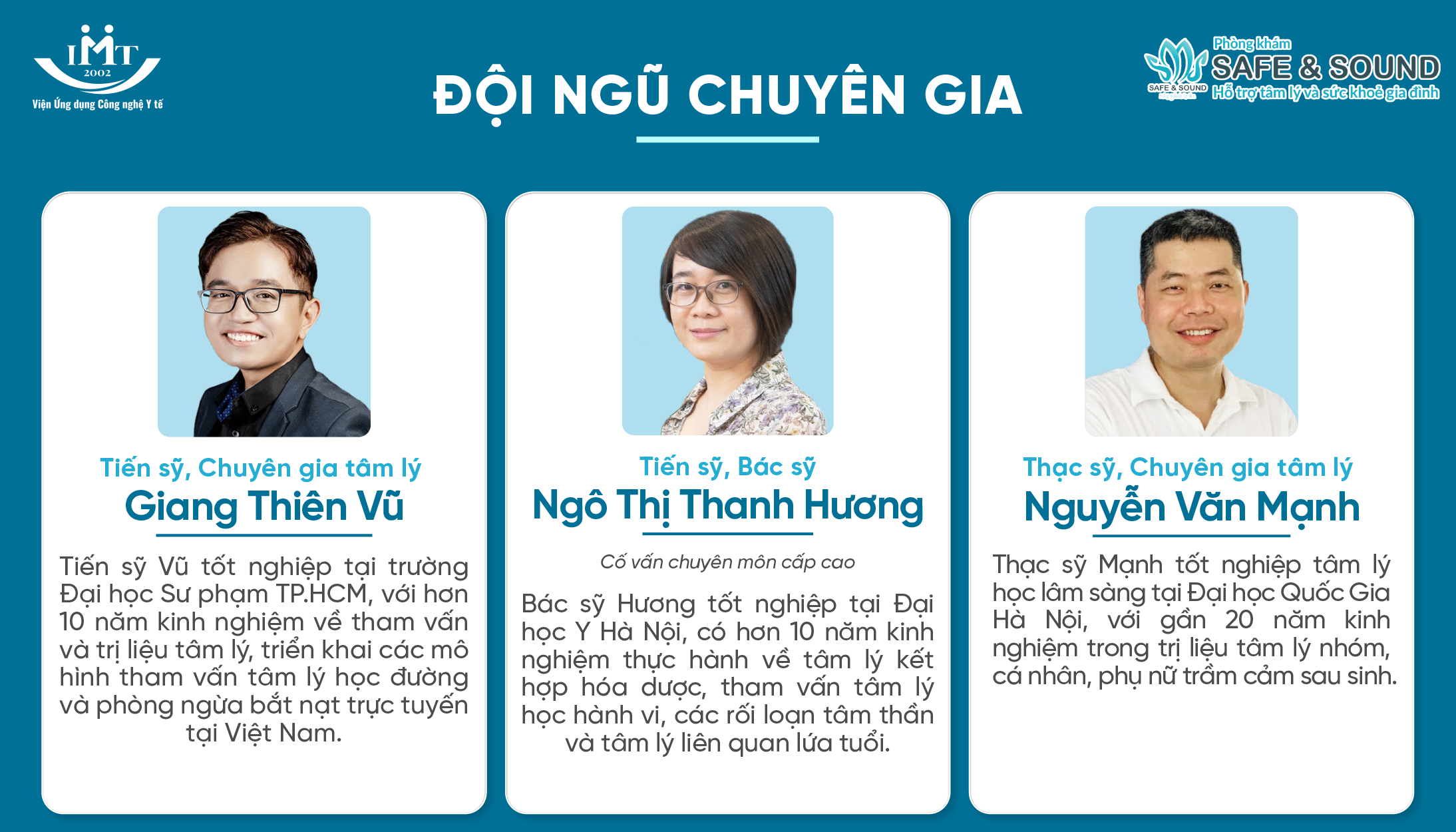
Safe and Sound Clinic - Family mental and health support
With a team of experienced doctors and specialists, Safe and Sound Clinic is a pioneer in comprehensive healthcare, offering services ranging from medical to psychological care.
"Early preparation - Timely support - Long-term partnership."
If you suspect you have a mental health problem, or would like more information about our counseling services, please contact our HOTLINE at 0964 778 911 (Phone/Zalo, 24/7) for prompt assistance and answers!
HOW TO SCHEDULE AN APPOINTMENT for online or in-person consultation with a specialist.
- On the SNS Psychologist Fanpage
- Alternatively, download and schedule a consultation on the Safe and Sound app to manage and track your appointments anytime, anywhere.
Safe and Sound is part of the Institute of Applied Medical Technology (IMT).

See more:
When should you see a doctor for anxiety disorders?
- Coping with anxiety disorders during pregnancy
Is anxiety disorder during pregnancy dangerous?
5 ways to help pregnant mothers reduce anxiety during pregnancy.
